

Ts’ara
Nayi
Kafa
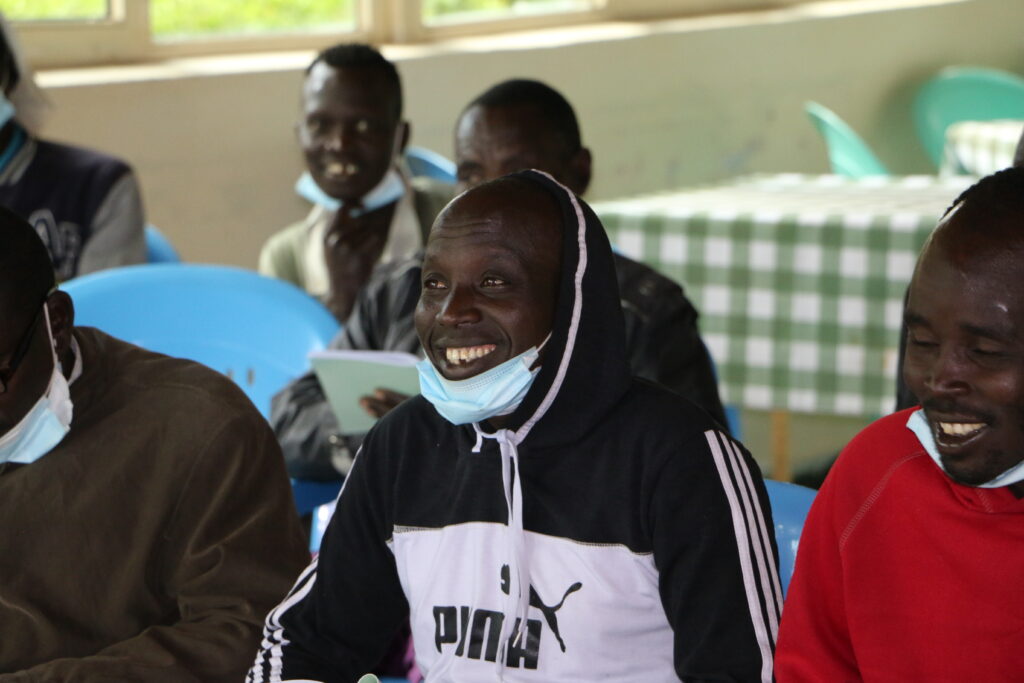
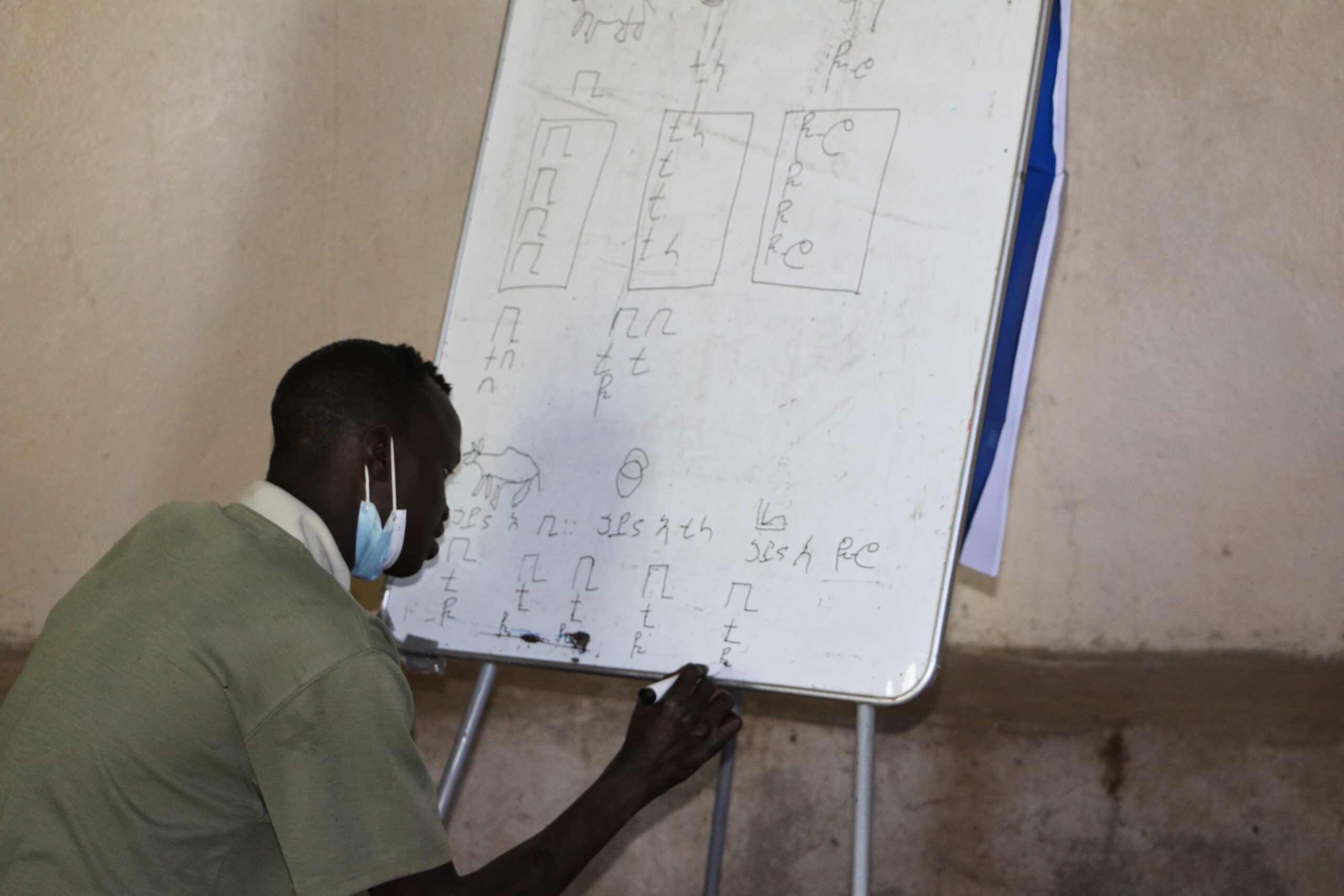
WE-LEAD Ethiopia is actively implementing literacy programs in three languages: Ts’ara, Nayi, and Kafa. For Ts’ara and Nayi, orthographies and alphabet charts have been developed in collaboration with private and governmental experts, and the materials are currently being piloted in selected schools. For the Kafa language, existing materials are undergoing scientific refinement and research to enhance their effectiveness for literacy instruction.

Strategic objectives align closely with addressing poverty and inequality through education and literacy, contributing to several Sustainable Development Goals (SDGs).
Promoting Inclusive Education: Developing local languages for learning and research ensures education is accessible and culturally relevant, especially for underserved communities, which emphasizes inclusive and equitable quality education.
Multilingual Instruction: Supporting multilingual education fosters inclusivity, preserves cultural identities, and improves learning outcomes for non-dominant language speakers by reducing inequalities faced by linguistic minorities.
Literacy Programs for Underserved Communities: Targeted literacy programs empower minority groups, which tackle the root causes of poverty.
Focus on Minority Languages: Designing and refining educational materials in minority languages preserves linguistic diversity and ensures equitable access to education.
Expanding Literacy Opportunities: Broadening access to literacy programs enhances lifelong learning opportunities.

Implementation Strategies
Monitoring and Evaluation: Establish metrics to track literacy rates, school enrollment, and material usage in target communities to measure impact and refine programs.
Material Development: Partner with local communities and linguists to create high-quality, culturally relevant educational materials in minority languages. Use tools to scale production and distribution.
Teacher Training: Invest in training educators to deliver multilingual instruction effectively, ensuring they are equipped to handle diverse linguistic needs.
Community Engagement: Collaborate with local and religious leaders to promote literacy programs, ensuring buy-in and sustainability in underserved areas.


