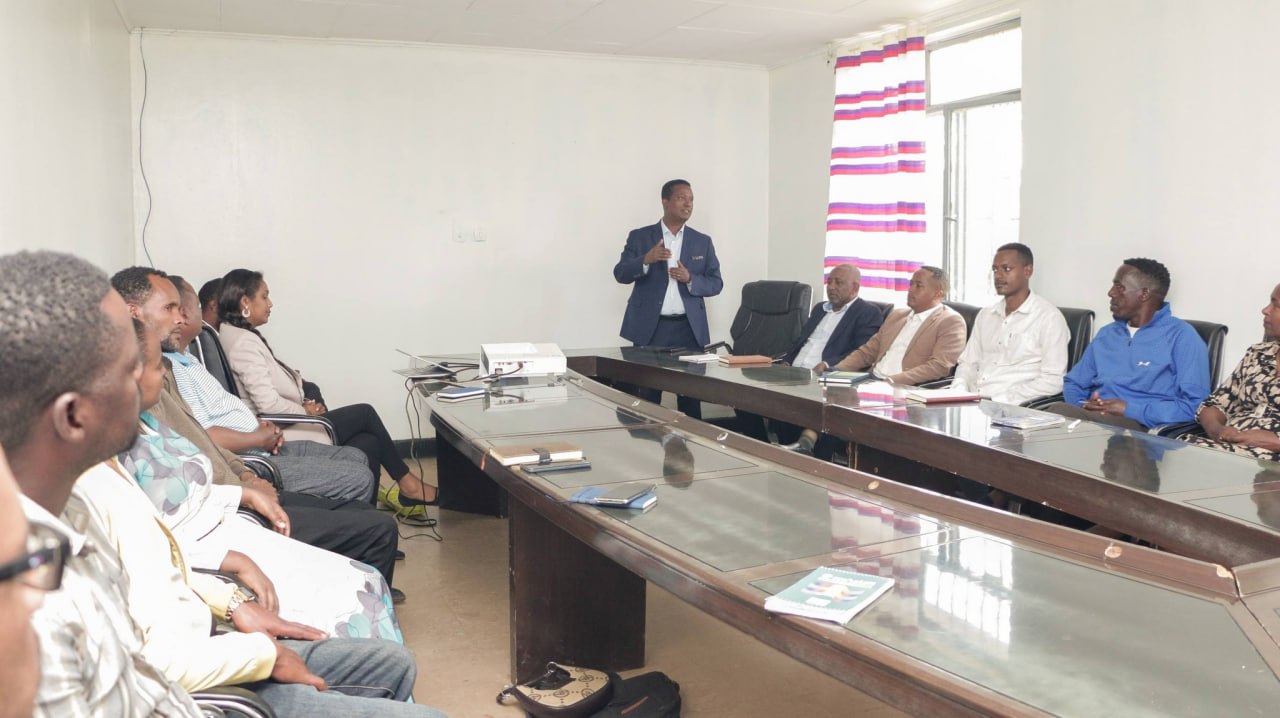
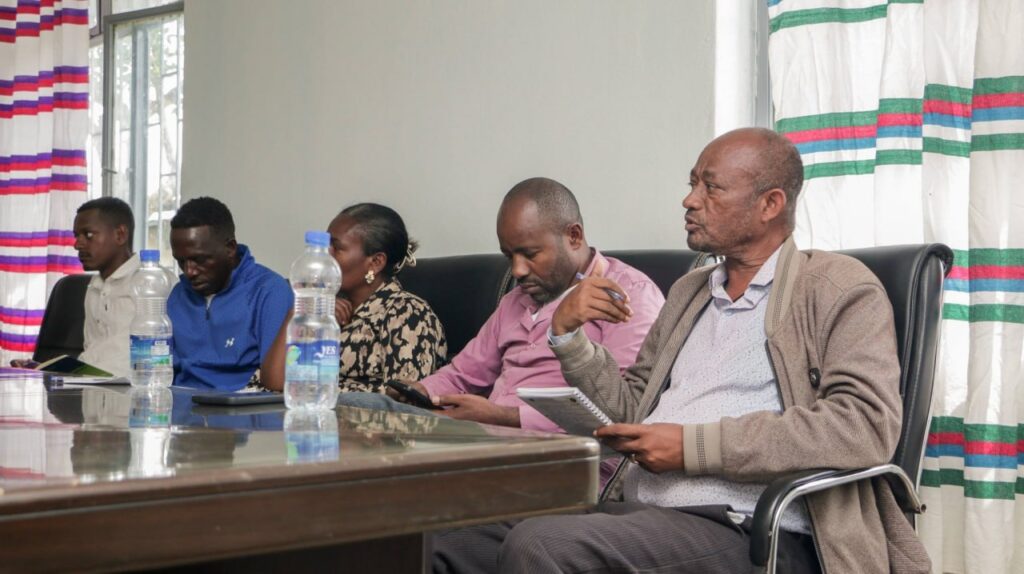
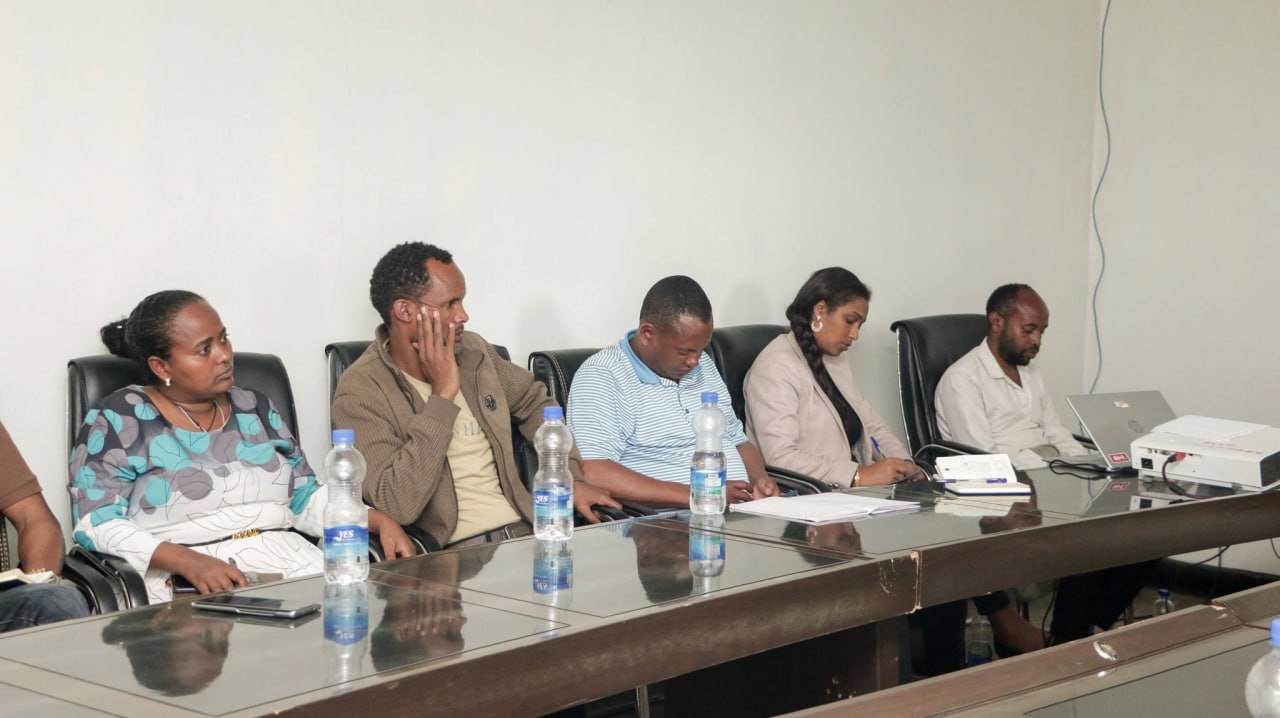
The forum was attended by Mr. Almaw Zewde (Deputy Vice President and Head of the Education Bureau of the South West Ethiopia Peoples’ Region), Mr. Endashaw Kebede (Chief Administrator of Kafa Zone), and about 35 other key stakeholders.
During the session, Mr. Almaw stated that intensive efforts are underway to establish the 13 local languages of the Southwest Region as instructional languages. He noted that while these 13 languages are at different stages of development—with Kafa, Sheko, Benchnon, Shekinogo, Dawro, and Konta being relatively advanced—the others require significant supportive work to function as educational mediums.
In this context, Mr. Almaw highlighted that WE-LEAD Ethiopia, in collaboration with the Kafa Zone, has been performing research work on the Kafa, Nayi, and Tsaara languages. He specifically pointed out that the Nayi and Tsaara languages lag behind in development and require specialized support and intervention. Emphasizing that language development is paramount to a community’s growth, he noted that the assistance from WE-LEAD Ethiopia provides a vital momentum for the language advancement initiatives started in the zone.
Mr. Tefera Endalew, Executive Director of WE-LEAD Ethiopia, reported that the organization has directly participated in studies covering 9 of the 13 regional languages, achieving significant milestones to date.
The Executive Director further explained that the project is fundamentally language-based, emphasizing that the community plays the most critical role in its success. He concluded by calling upon the community to fulfill its responsibility to ensure the continued effectiveness of the program.
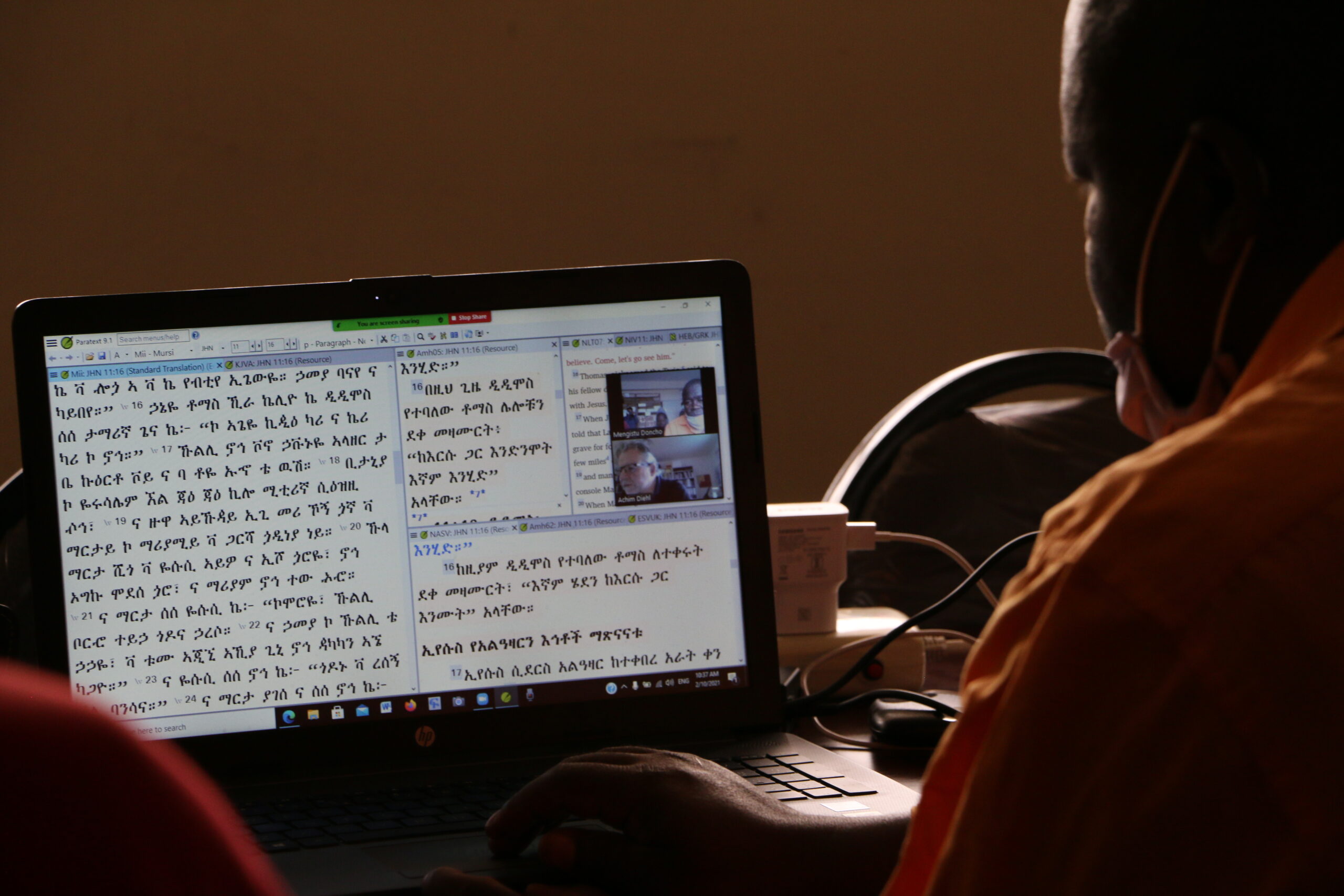
Tsaara
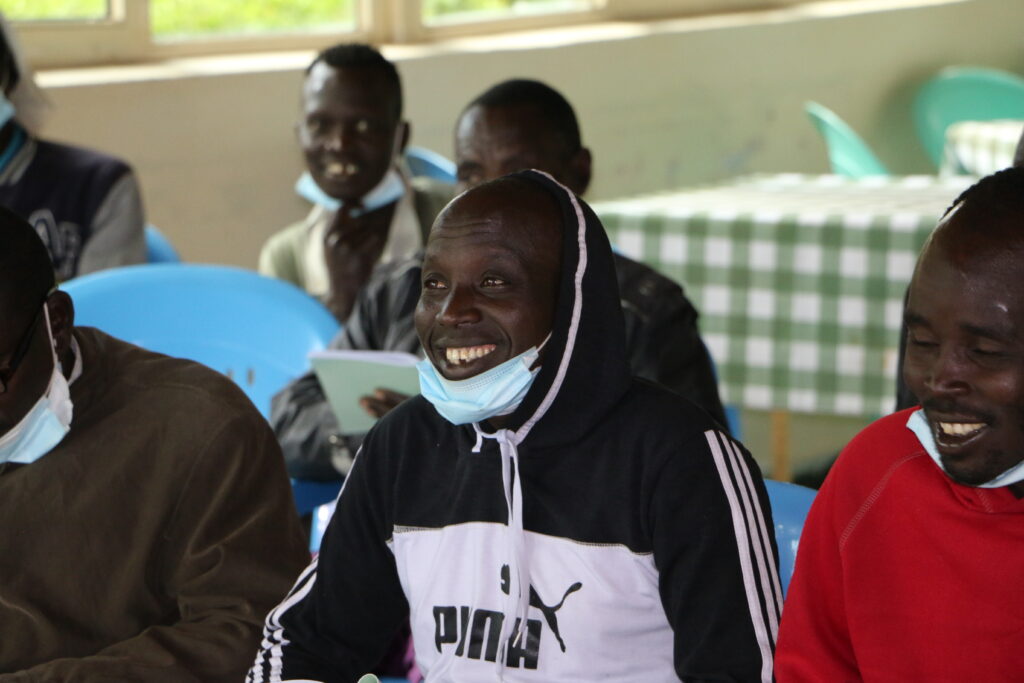
Nayi
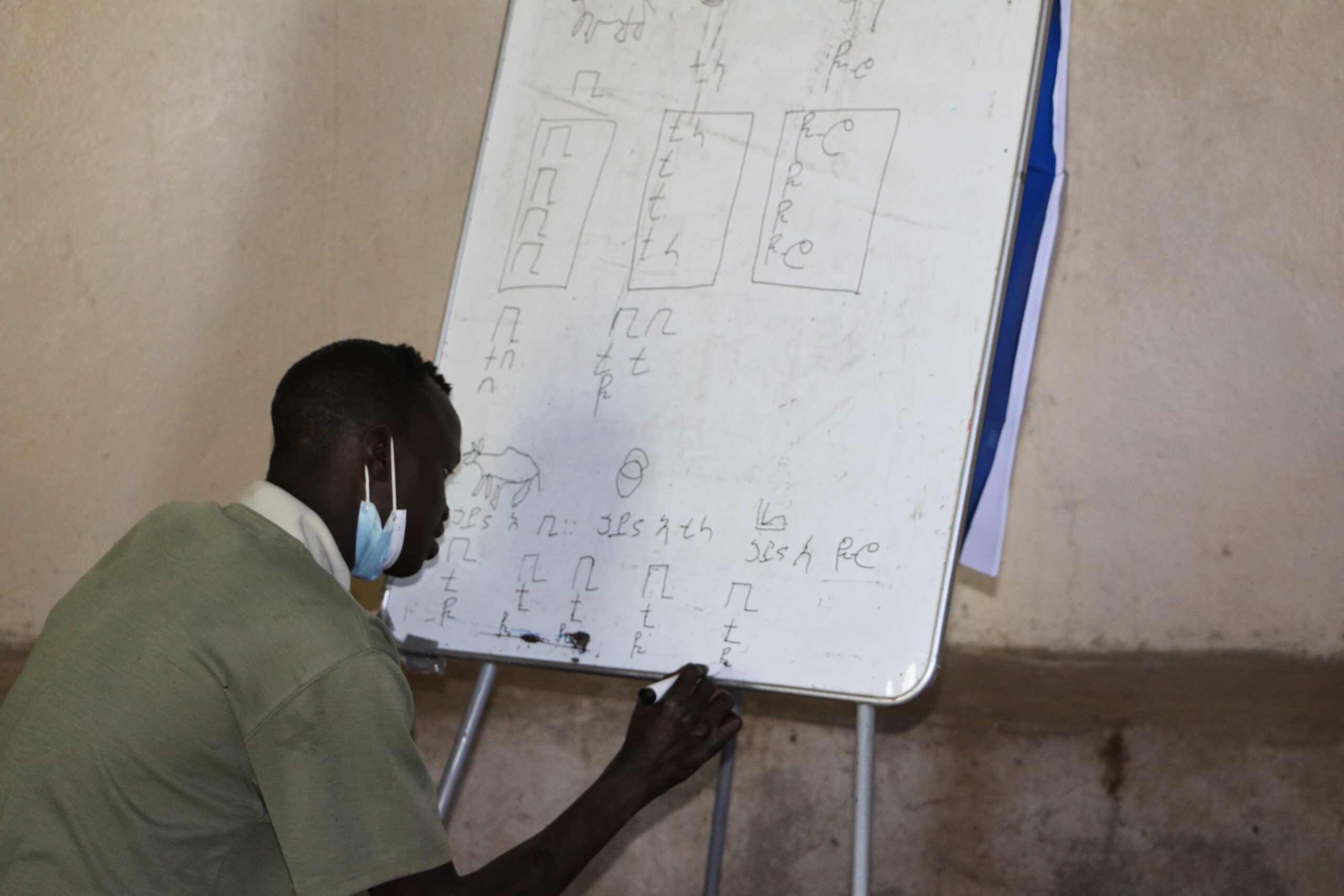
Kafa
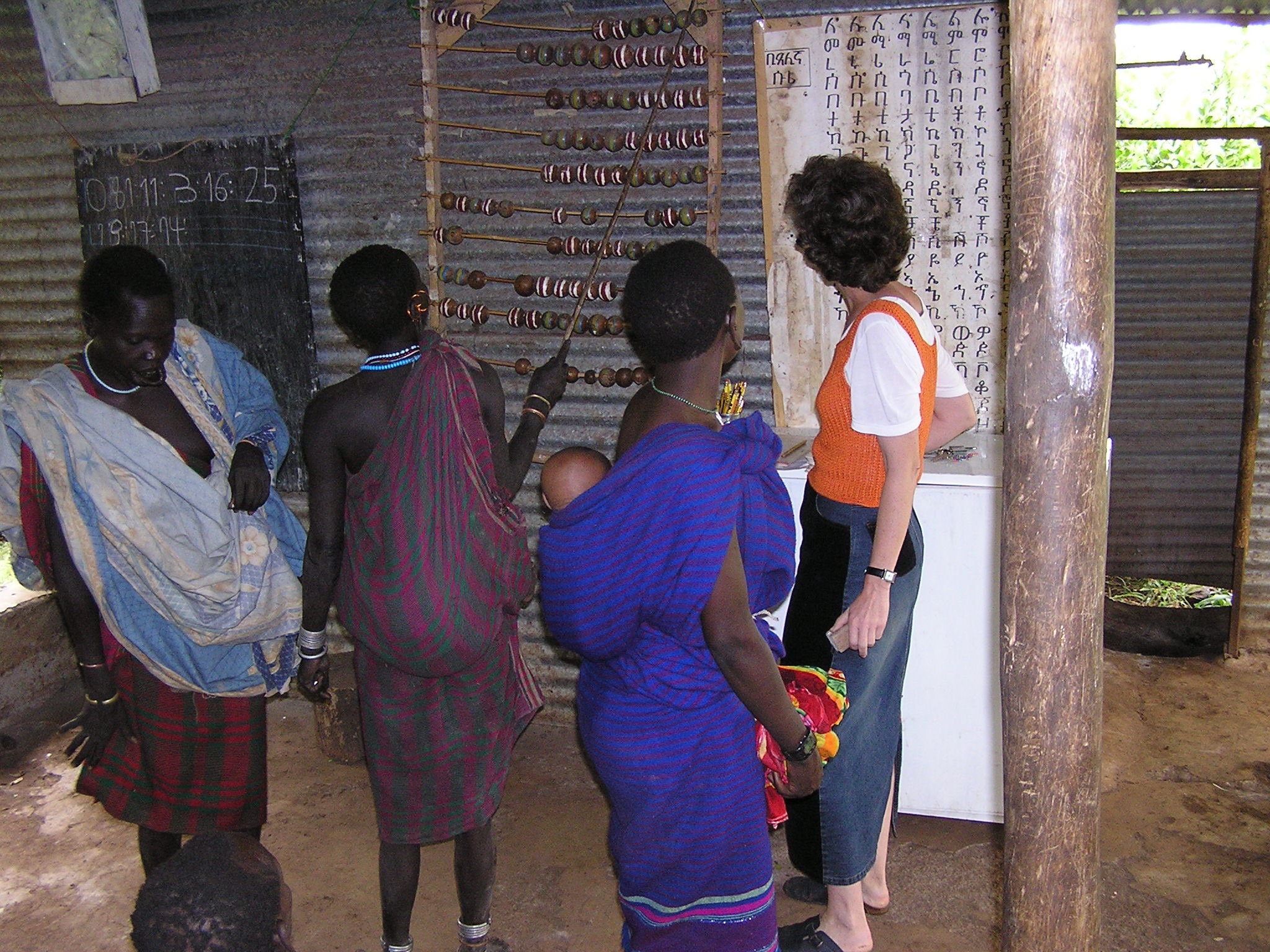
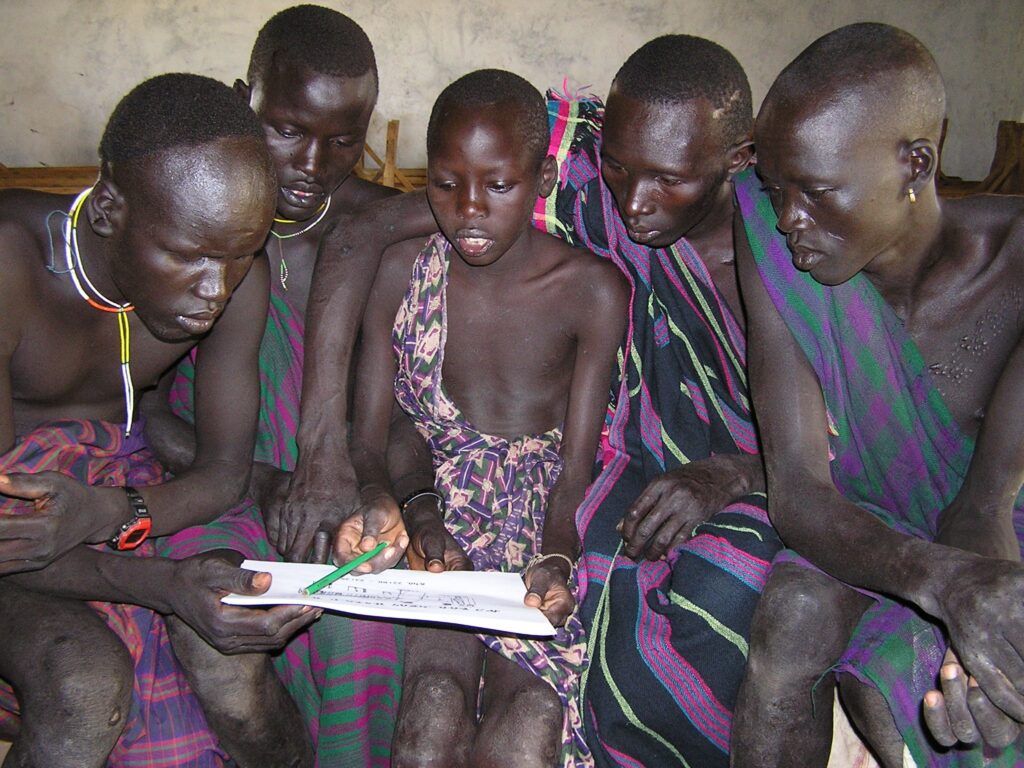
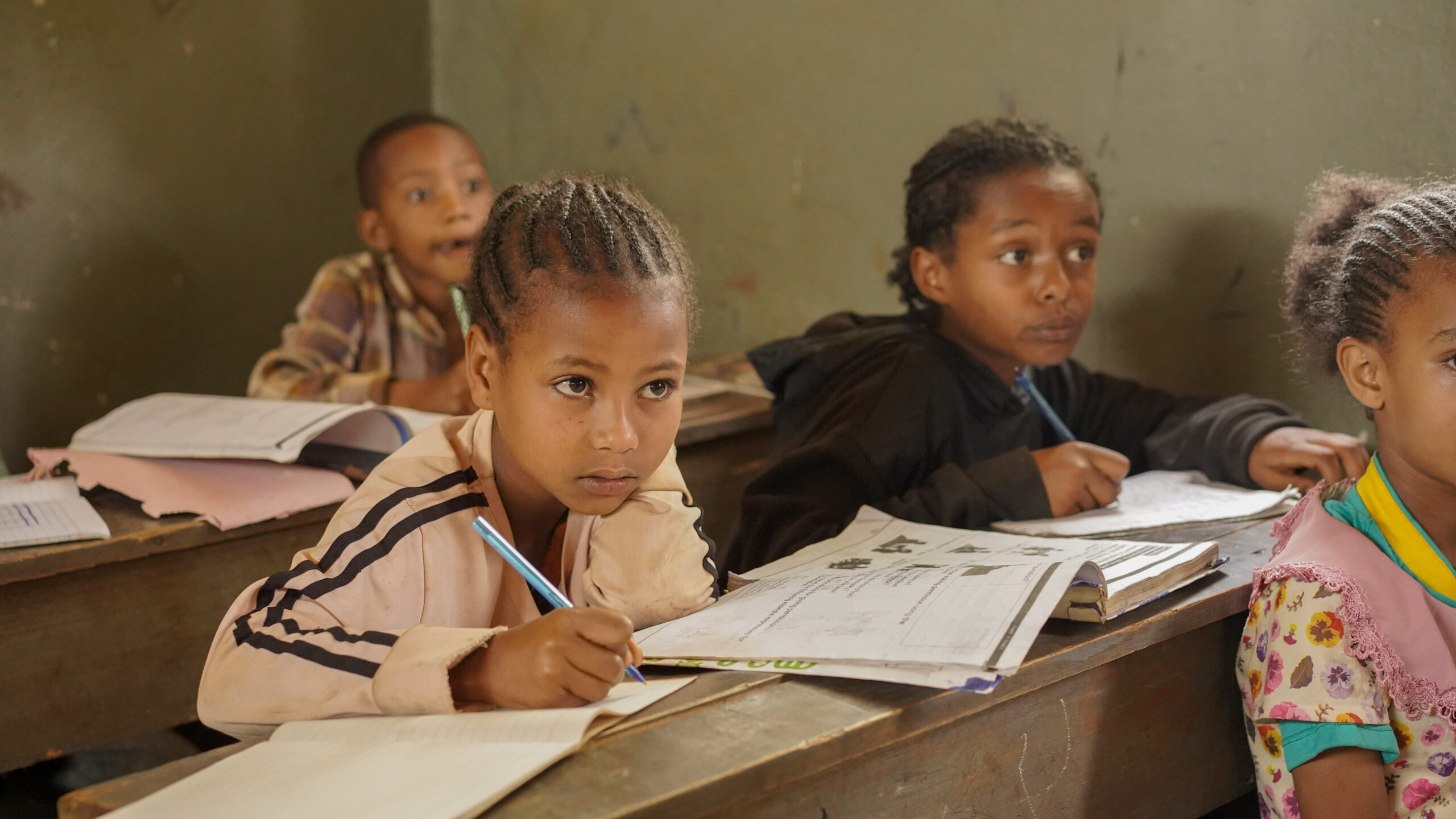
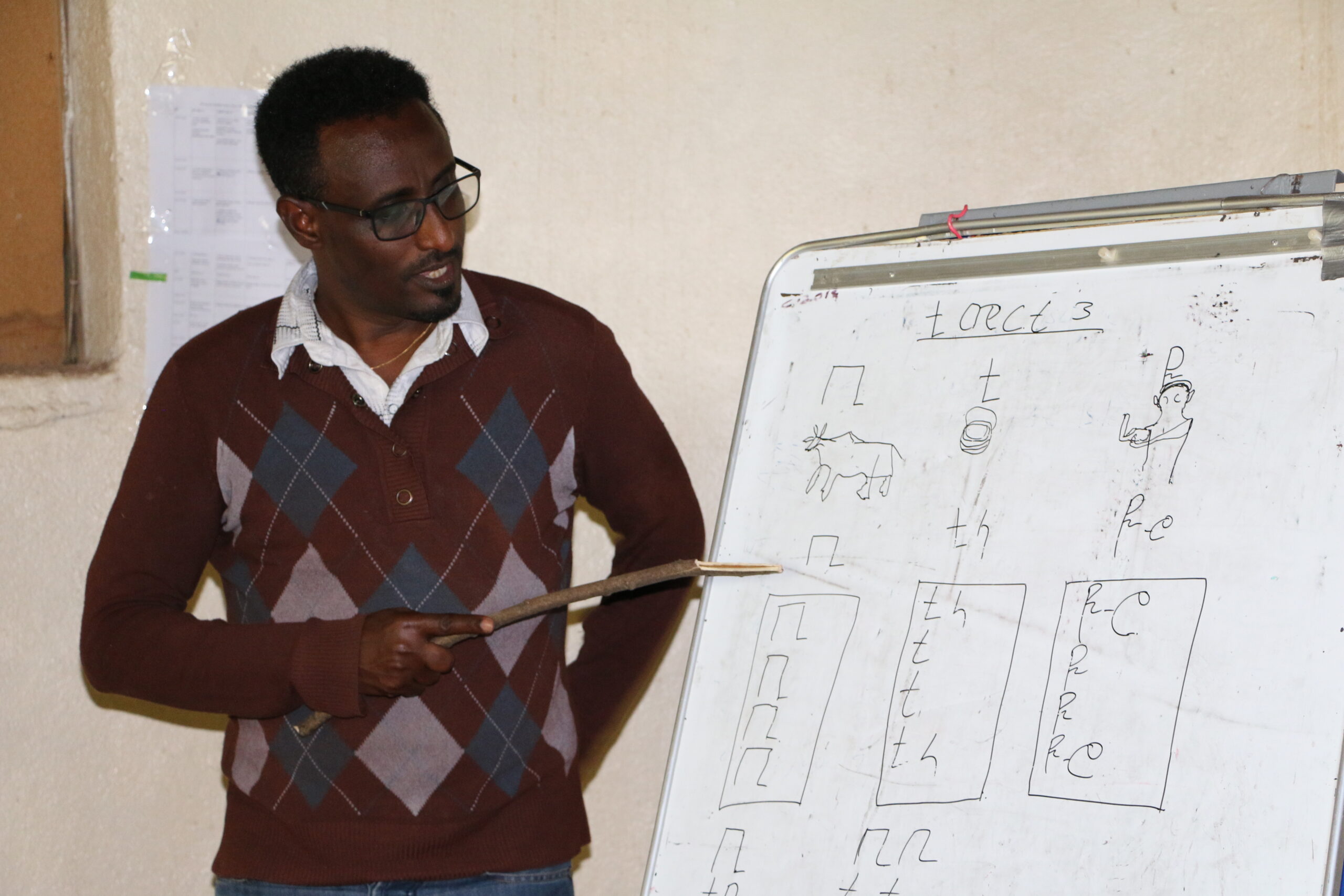
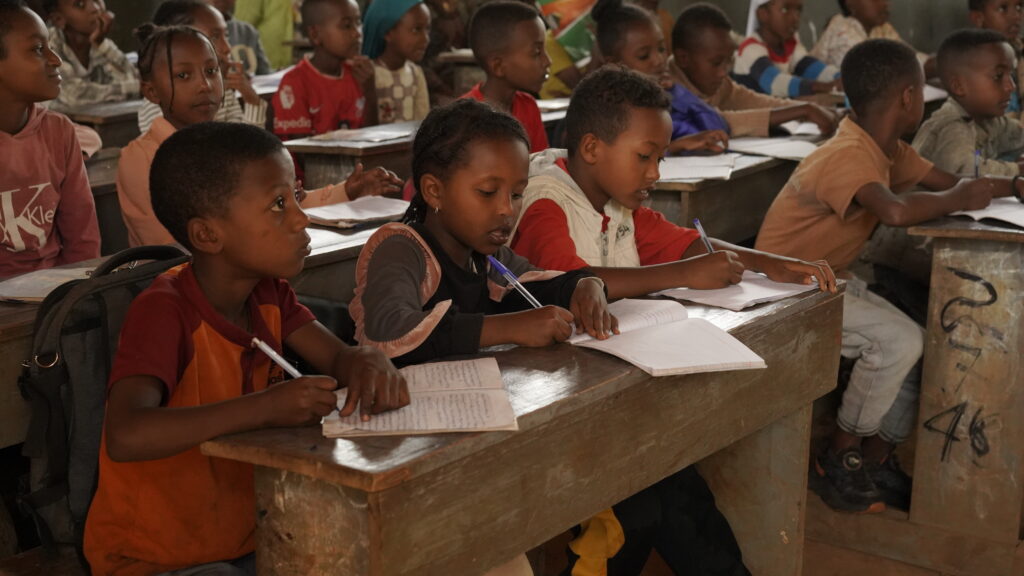
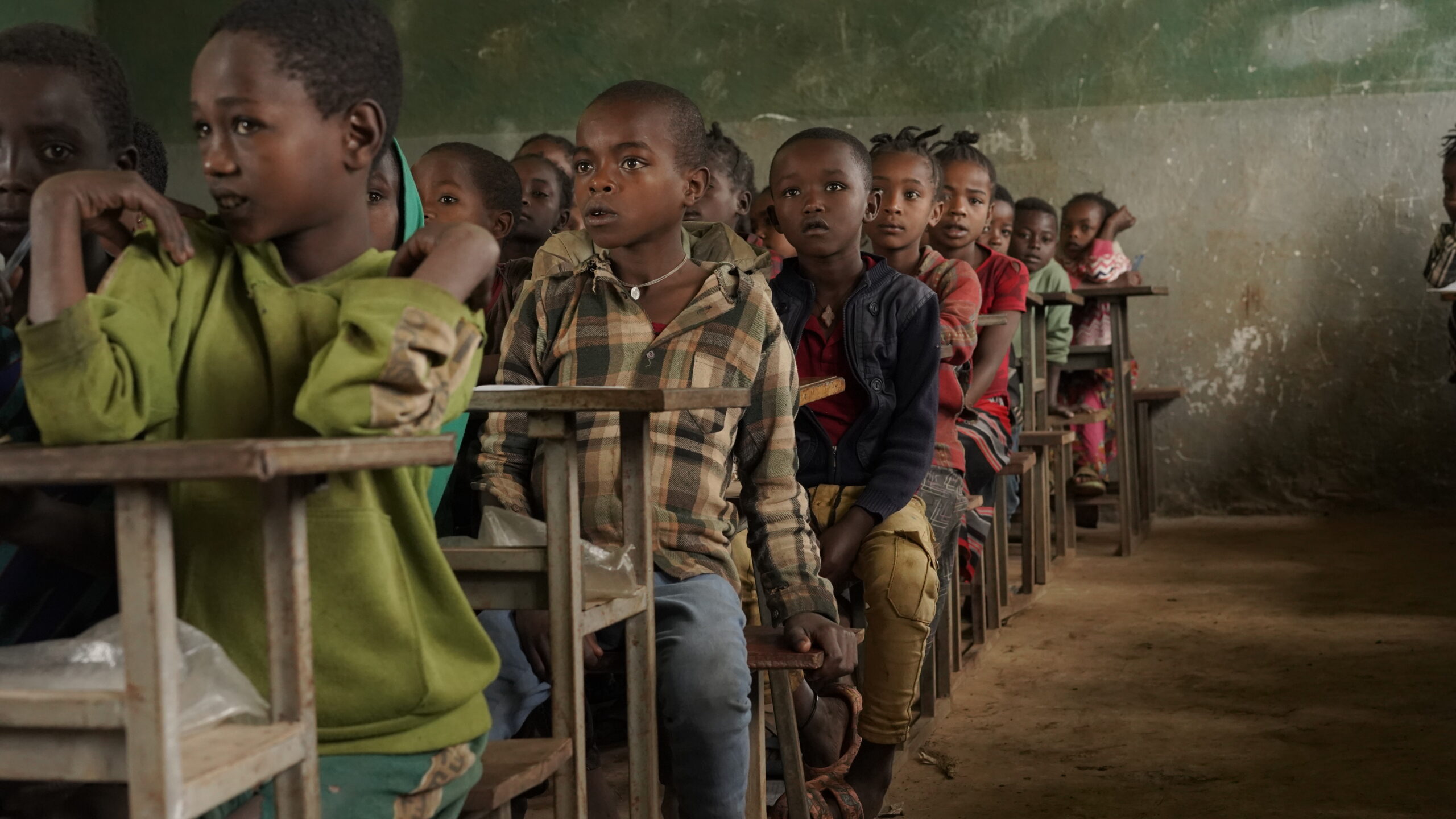
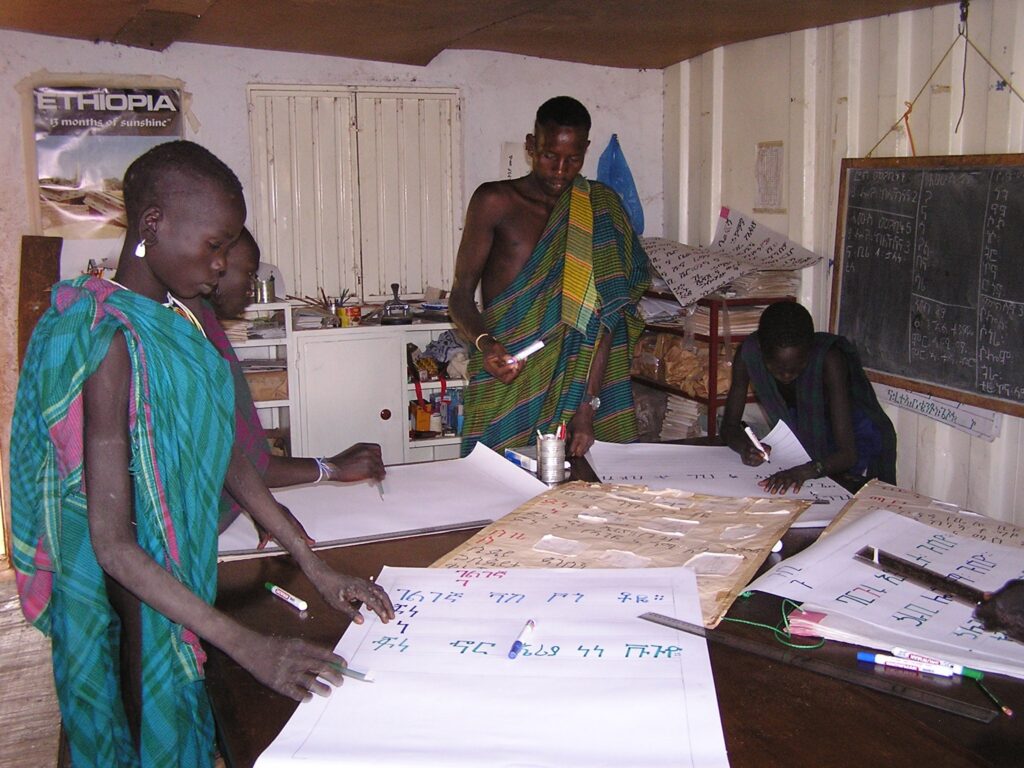
WE-LEAD Ethiopia is actively implementing literacy programs in three languages: Tsaara, Nayi, and Kafa. For Tsaara and Nayi, orthographies and alphabet charts have been developed in collaboration with private and governmental experts, and the materials are currently being piloted in selected schools. For the Kafa language, existing materials are undergoing scientific refinement and research to enhance their effectiveness for literacy instruction.
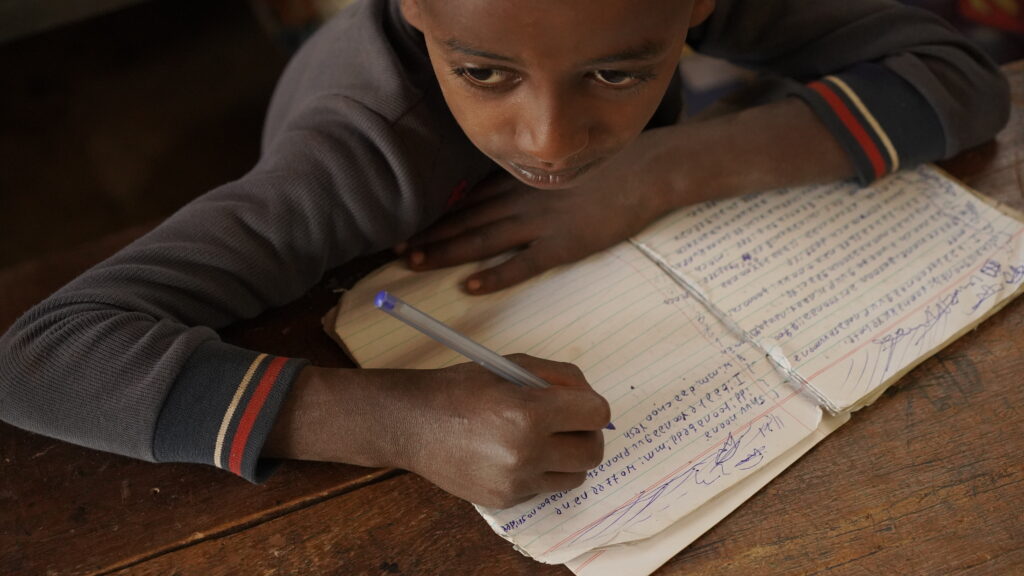
Strategic objectives align closely with addressing poverty and inequality through education and literacy, contributing to several Sustainable Development Goals (SDGs).
Promoting Inclusive Education: Developing local languages for learning and research ensures education is accessible and culturally relevant, especially for underserved communities, which emphasizes inclusive and equitable quality education.
Multilingual Instruction: Supporting multilingual education fosters inclusivity, preserves cultural identities, and improves learning outcomes for non-dominant language speakers by reducing inequalities faced by linguistic minorities.
Literacy Programs for Underserved Communities: Targeted literacy programs empower minority groups, which tackle the root causes of poverty.
Focus on Minority Languages: Designing and refining educational materials in minority languages preserves linguistic diversity and ensures equitable access to education.
Expanding Literacy Opportunities: Broadening access to literacy programs enhances lifelong learning opportunities.
Implementation Strategies
Monitoring and Evaluation: Establish metrics to track literacy rates, school enrollment, and material usage in target communities to measure impact and refine programs.
Material Development: Partner with local communities and linguists to create high-quality, culturally relevant educational materials in minority languages. Use tools to scale production and distribution.
Teacher Training: Invest in training educators to deliver multilingual instruction effectively, ensuring they are equipped to handle diverse linguistic needs.
Community Engagement: Collaborate with local and religious leaders to promote literacy programs, ensuring buy-in and sustainability in underserved areas.