It started with a minibus and a Land Rover packed to the brim; medicine, building supplies, tools, and even schoolbooks for the children. The road ahead stretched over 250 kilometers of rough countryside, much of it unpaved. By the time the team reached Koysha, the last town before the Ts’ara area, dust and mud had already told the story of the journey. At Koysha, local health authorities gave their blessing for the mission to continue. But rain had left the road to Ts’ara soggy and nearly impossible to pass. The bus had to stay behind, and another Land Rover was provided. With two sturdy vehicles, the team pressed on; first carrying people, then returning to haul in all the supplies.
When they finally arrived in Oshka, there was no time to waste. For three days, every hour was full. The doctors transformed a church and an elementary school into temporary clinics, while builders began digging for public toilets and others renovated a mud hut to serve as an infirmary. Water for the work had to be fetched daily from a nearby source – a reminder of just how difficult daily life is for the Ts’ara community. But the mission wasn’t just about physical needs. Training sessions brought life-changing knowledge about hygiene, preventing diseases, dealing with scabies, and the importance of good nutrition for children. The team also shared about faith, using copies of the New Testament in the Ts’ara language – freshly printed for the very first time. A discipleship program was launched for 30 men, equipping current and future leaders to shepherd their people. Even the children had their share of joy; games, laughter, and books that encouraged them to keep learning.
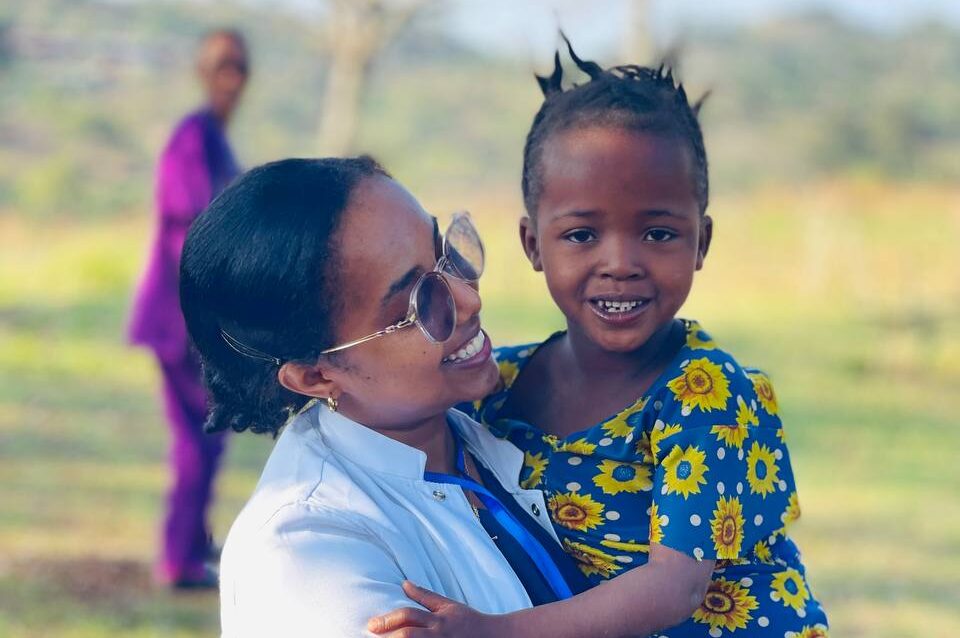
The medical need was overwhelming. In just three days, five general practitioners, a gynecologist, two pediatricians, and a dentist treated 630 patients. They cared for wounds, provided malaria and measles medicine, dewormed children, and performed dental treatments. Though the recent measles and malaria outbreak had begun to slow, the team’s presence brought tangible relief and renewed hope. By the final day, the two new public toilets were completed, small but vital steps toward better community health. The gratitude of the Ts’ara people was unmistakable. Smiles, words of thanks, and even tears spoke louder than anything else.
A few days later, some of the team members reflected on the journey. This mission had been tougher than any before; no electricity for medicine, no running water, and roads that barely counted as roads. Yet, despite the challenges, they couldn’t stop talking about the people of Ts’ara. They left with one conviction: this couldn’t be a one-time effort. They dreamed of returning twice a year, building something lasting. And already, conversations are happening with health authorities, with the government, about paving the access road, about setting up permanent medical care. What began as three days of intense effort may very well become the beginning of a long story of transformation.